Pompano

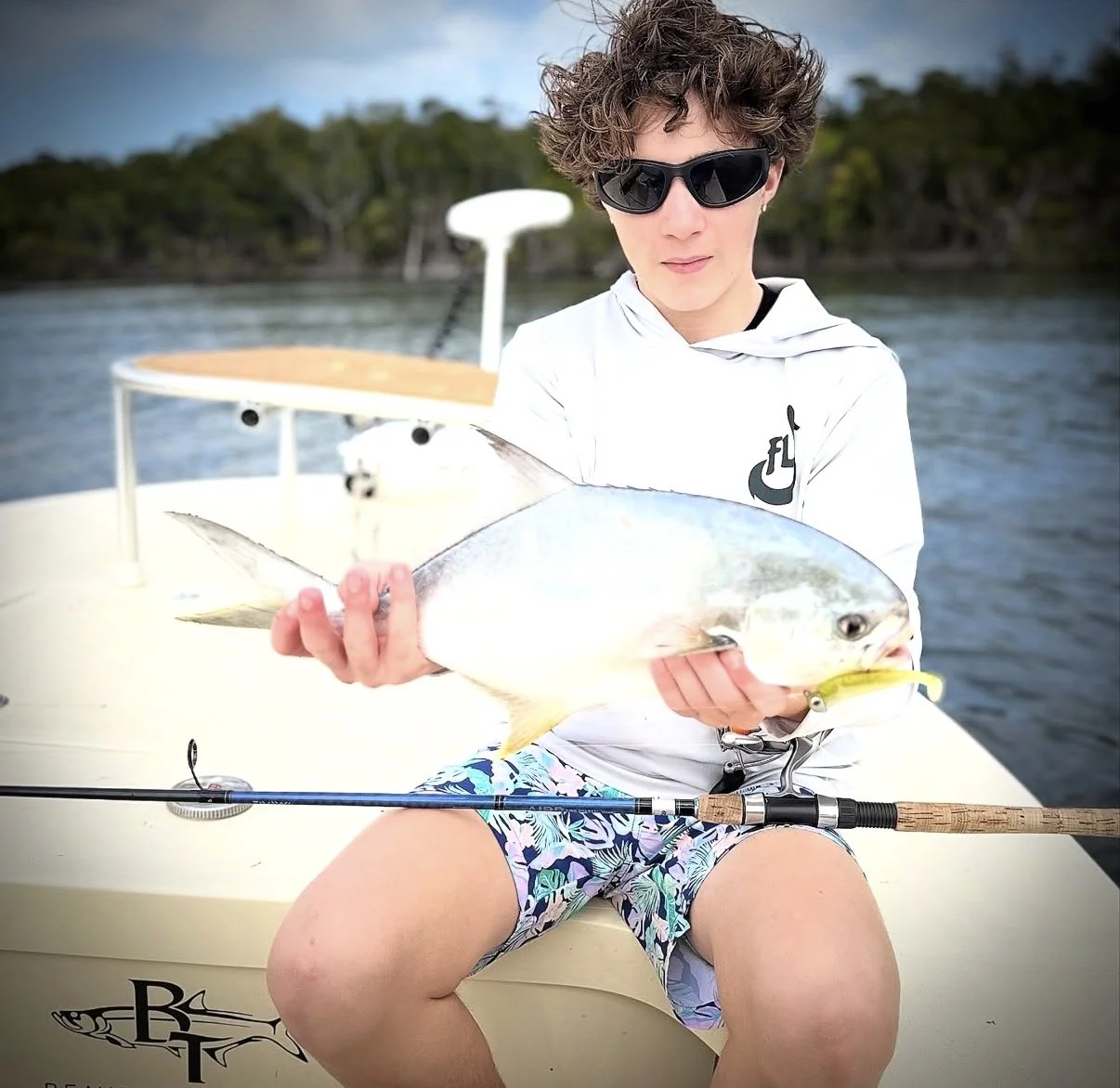
  • Stuart, Florida is one of the best places on the Treasure Coast to target Florida Pompano during the cooler months. These hard-fighting, great-tasting fish migrate through our beaches and inlets primarily from November through April, with peak action often following passing cold fronts when water temperatures fall into the mid-60s to low-70s.

  • The key to consistent pompano fishing in Stuart is focusing on beach troughs and sandbars, especially along Hutchinson Island and near the Stuart Inlet. Pompano cruise the deeper troughs between sandbars, feeding on sand fleas, small crustaceans, and clams. Clean water with moderate surf and good tidal movement dramatically increases your odds.

Light tackle is ideal. A 7 foot spinning rod paired with a 2500–3000 reel spooled with 10–15 lb braided line and a 20 lb fluorocarbon leader is perfect. Most anglers use a double-drop pompano rig with a 1–3 oz pyramid sinker to hold bottom. Live sand fleas are the top bait, but fresh shrimp, clam, , jigs or Fishbites will also produce

Beyond their speed and steady fight, Florida Pompano are prized for the table. Their meat is mild, sweet, and firm — widely considered some of the best eating fish in Florida

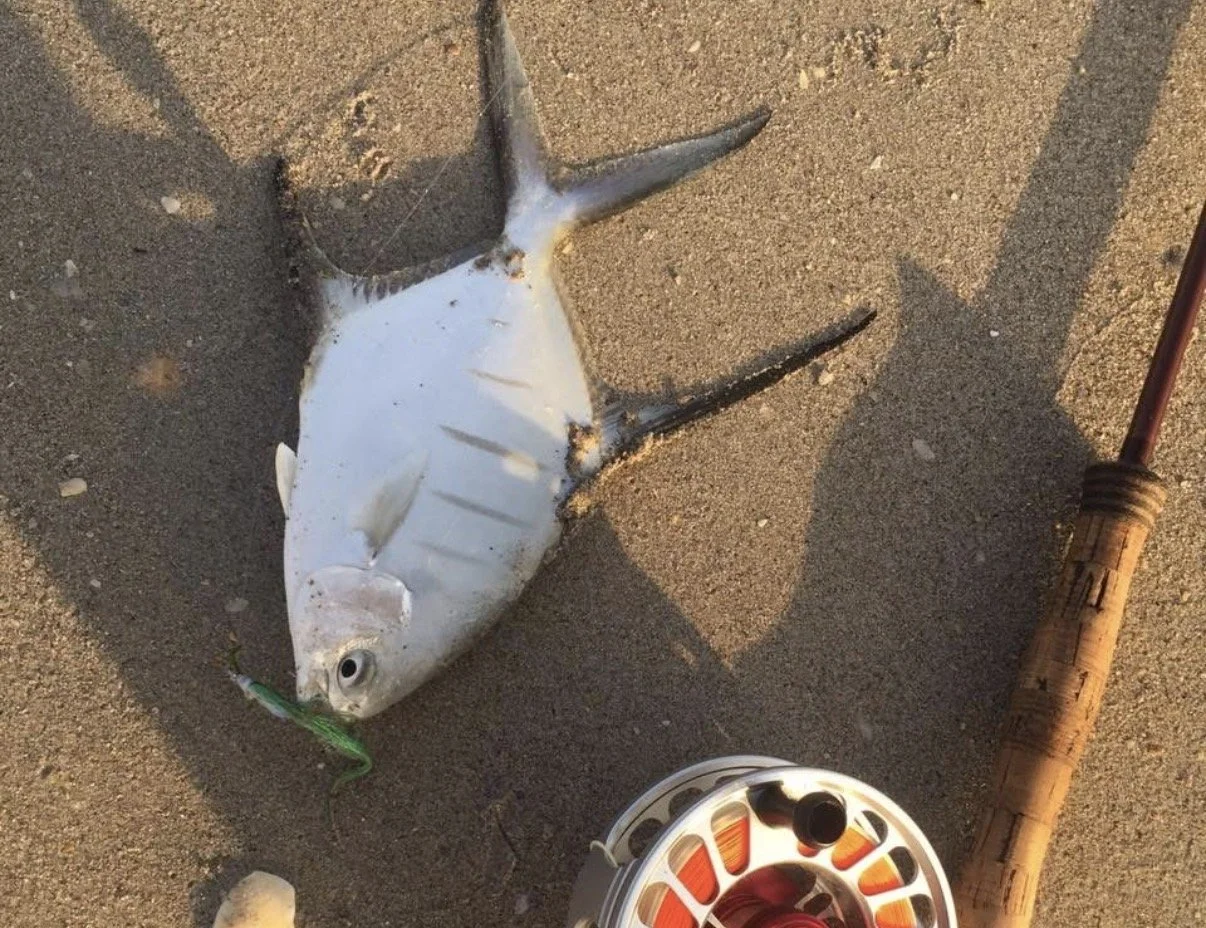
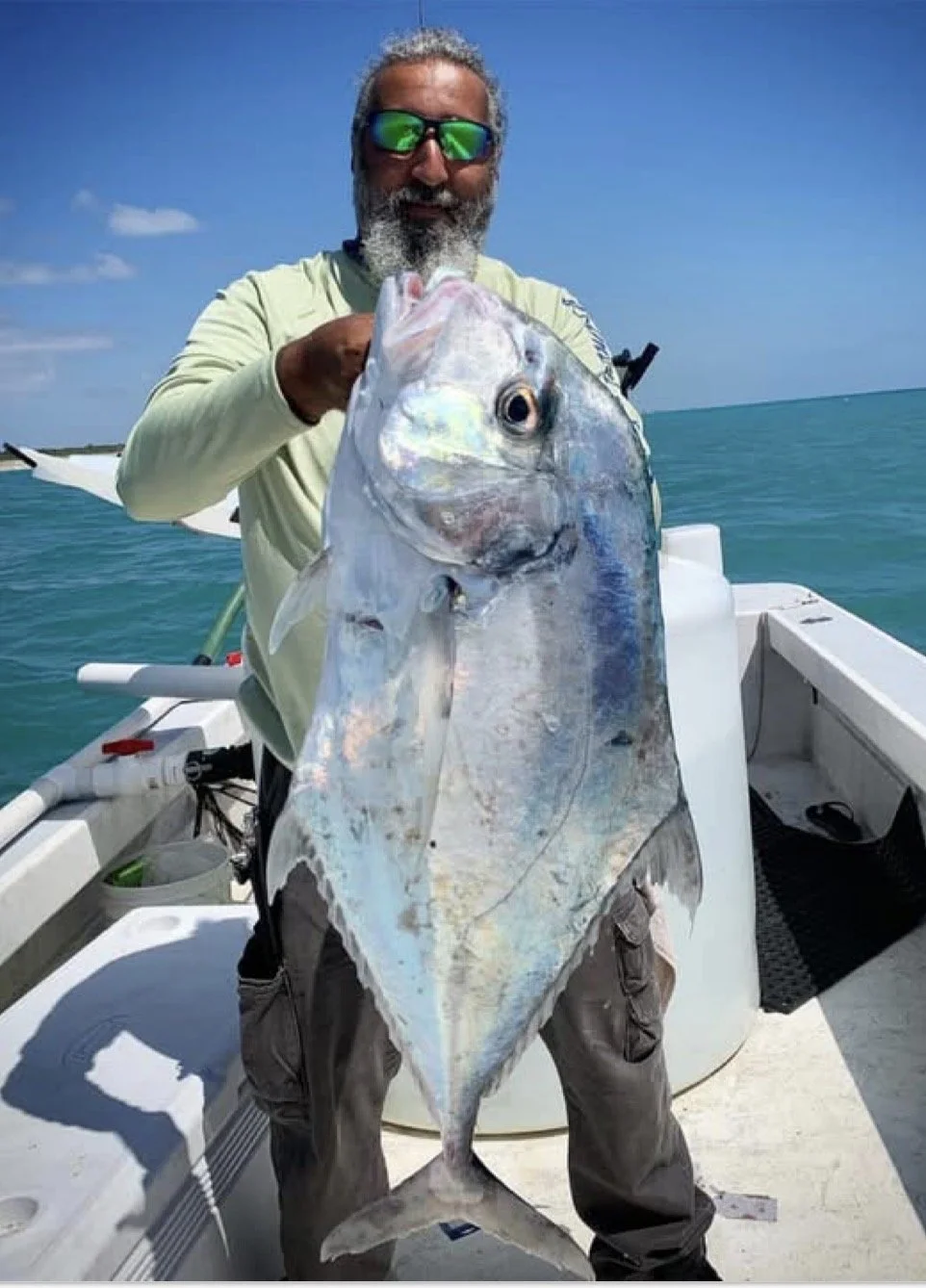
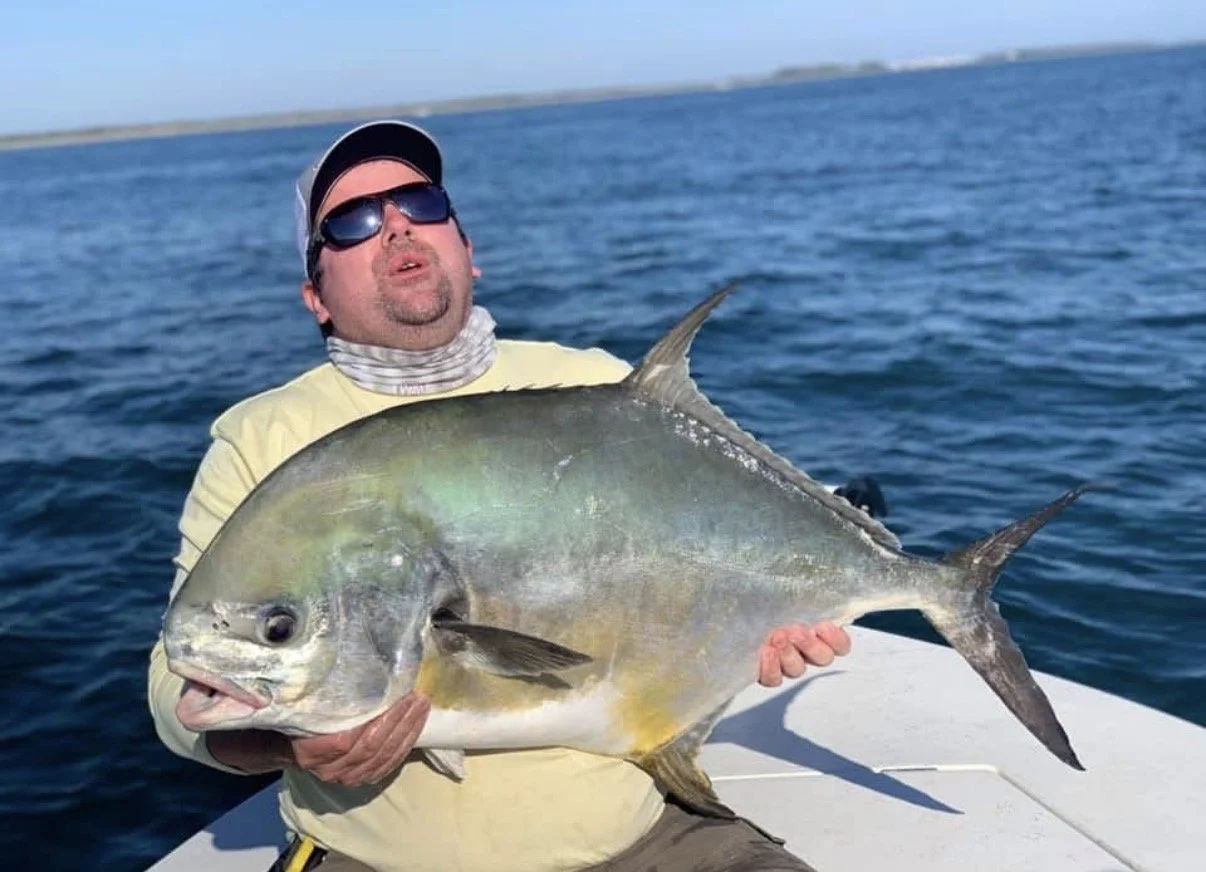
There are four main types of pompano in the U.S. — how many have YOU caught?

🐟 Florida Pompano

🐟 Permit

🐟 Palometa

🐟 African Pompano

Now the real question…

👉 Which ones have you caught?

👉 How did you catch them?

👉 And which one gave you the most memorable fight?**

For me, it’s hard to beat a big permit on fly… but Let’s hear it 👇🔥

Winter time blues

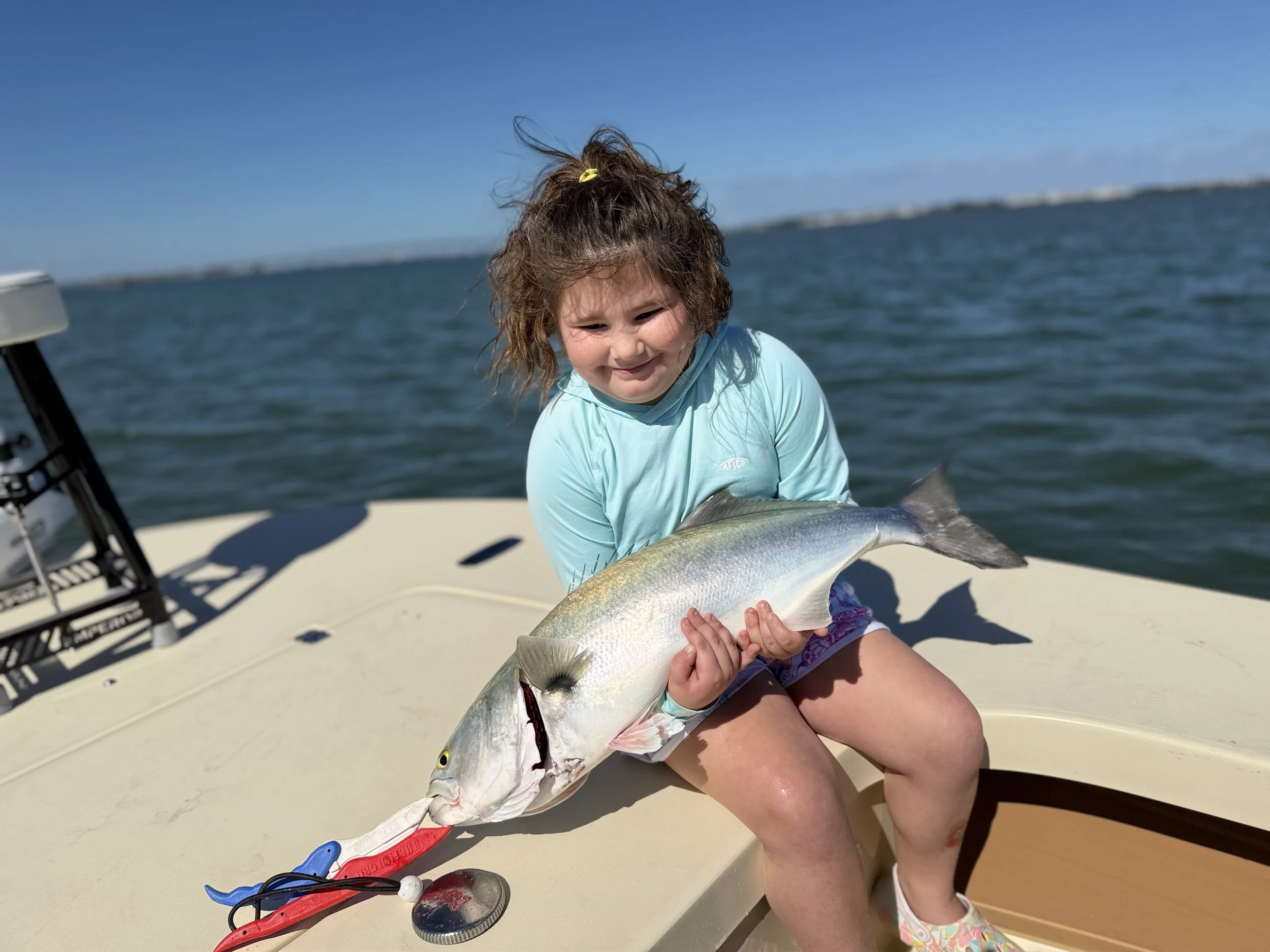
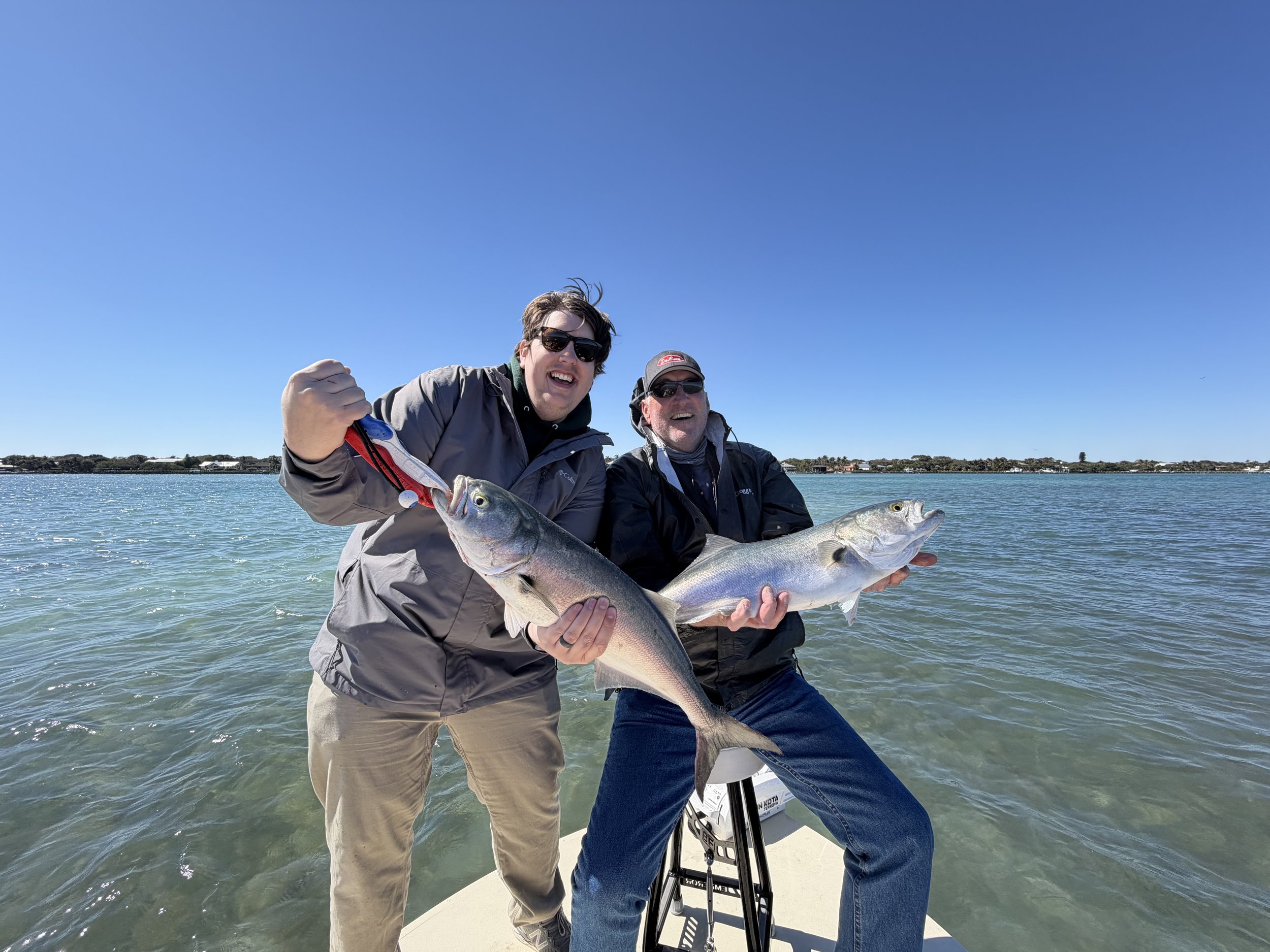
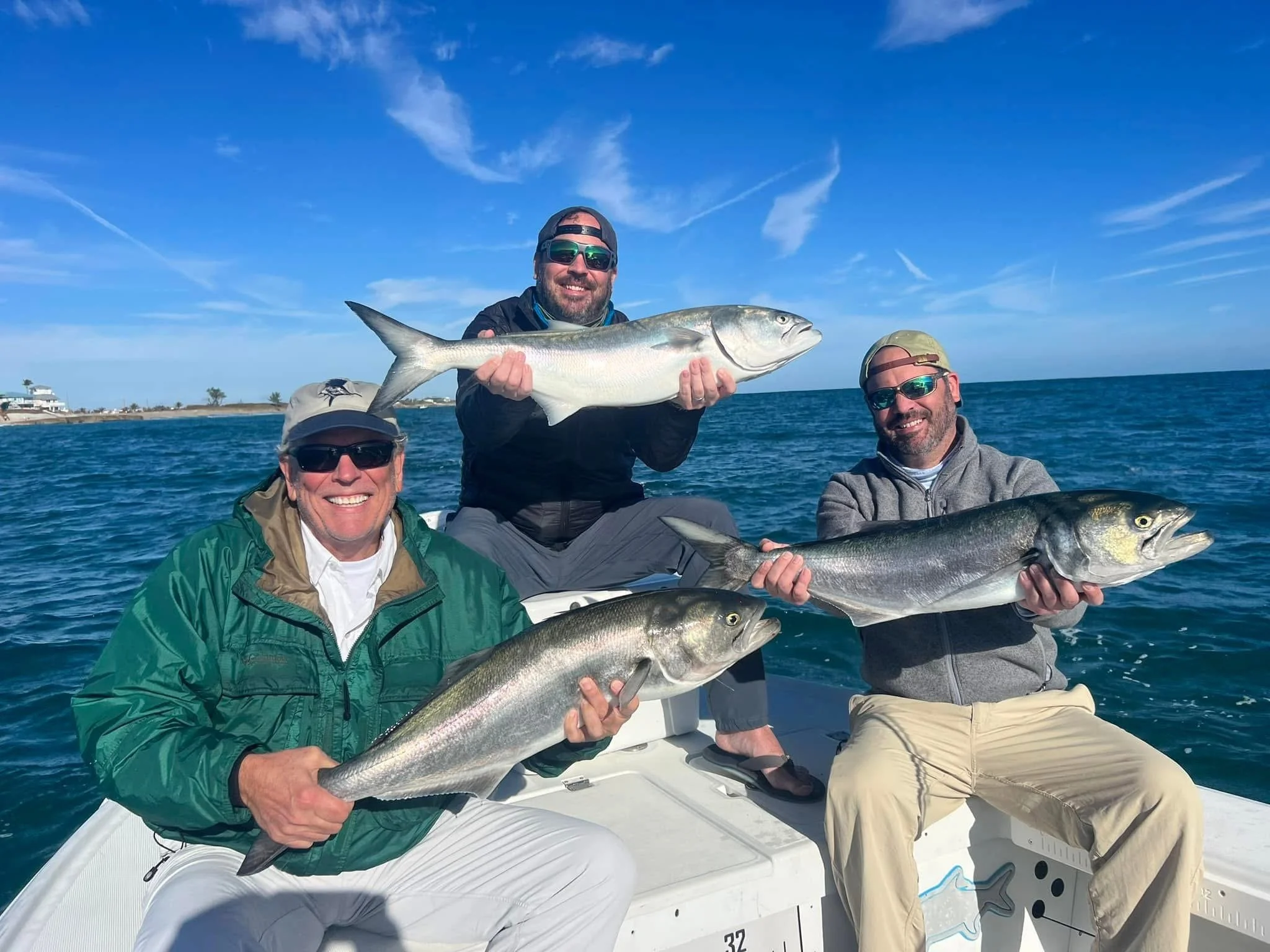
Wintertime Bluefish Fishing in Stuart, Florida

Winter is prime time for bluefish on Florida’s Treasure Coast, and when they show up, they do so in force. Bluefish (Pomatomus saltatrix) are a migratory species that move south from the Northeast as water temperatures drop, stacking along Florida beaches, inlets, and nearshore waters during the winter months. Here in Stuart, the peak bite typically occurs in February and March, when massive schools of fish ranging from 1 to 20 pounds push bait tight to shore. Florida’s state-record bluefish—22 pounds, 2 ounces—was landed just up the road at Jensen Beach, underscoring the true trophy potential of this winter fishery. Bluefish are aggressive, competitive feeders that track mullet and pilchard schools, and once located, anglers can experience fast-paced action with multiple hook-ups in short order.

From a tactics standpoint, bluefish are tailor-made for visual, high-energy fishing. Topwater poppers worked aggressively across the surface are my favorite, often triggering violent surface strikes that turn a calm school into a full-blown feeding frenzy. Spoons, swimbaits, and other fast-moving lures are equally effective, though expect to replace soft plastics often due to their razor-sharp teeth. A typical setup includes 20-lb braided line paired with a 50–60 lb monofilament leader, and in some situations a short section of 40-lb titanium wire helps prevent bite-offs without sacrificing too much action. Bluefish can be found anywhere from the beach and inlet to flats, docks, and dock lights, and once hooked they’re known for long runs, aerial jumps, and bulldogging power. While often mislabeled as “trash fish,” bluefish can be excellent table fare when handled properly—bleed the fish immediately, ice it down, remove the bloodline during filleting, and consider marinating overnight. Fried bluefish is a standout, though grilling or baking works just as well for this rich, oily, and underrated winter species.

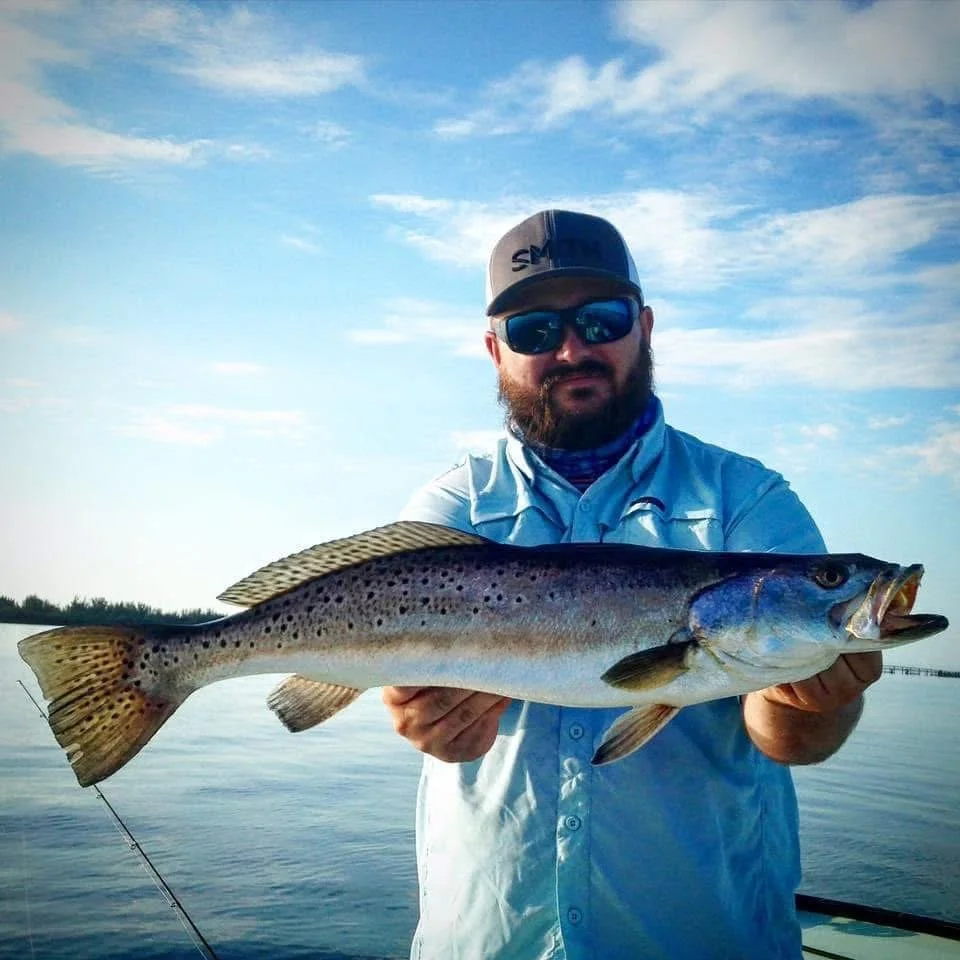
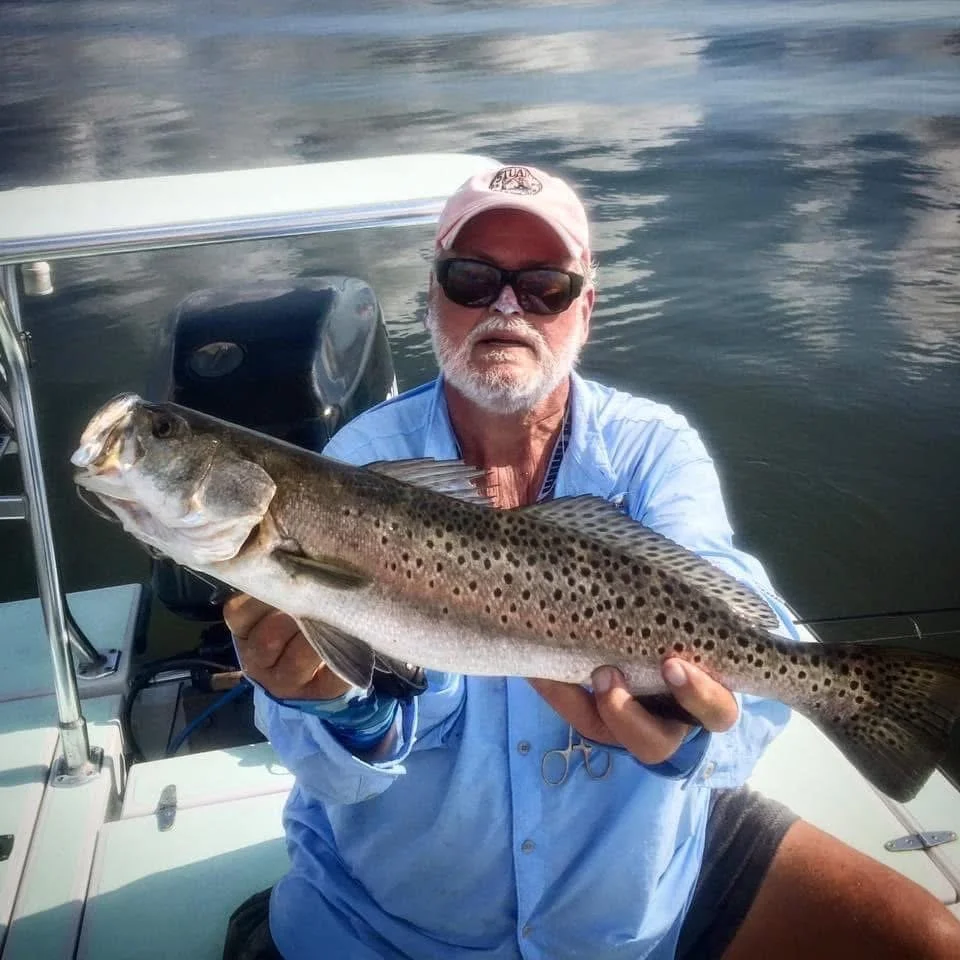
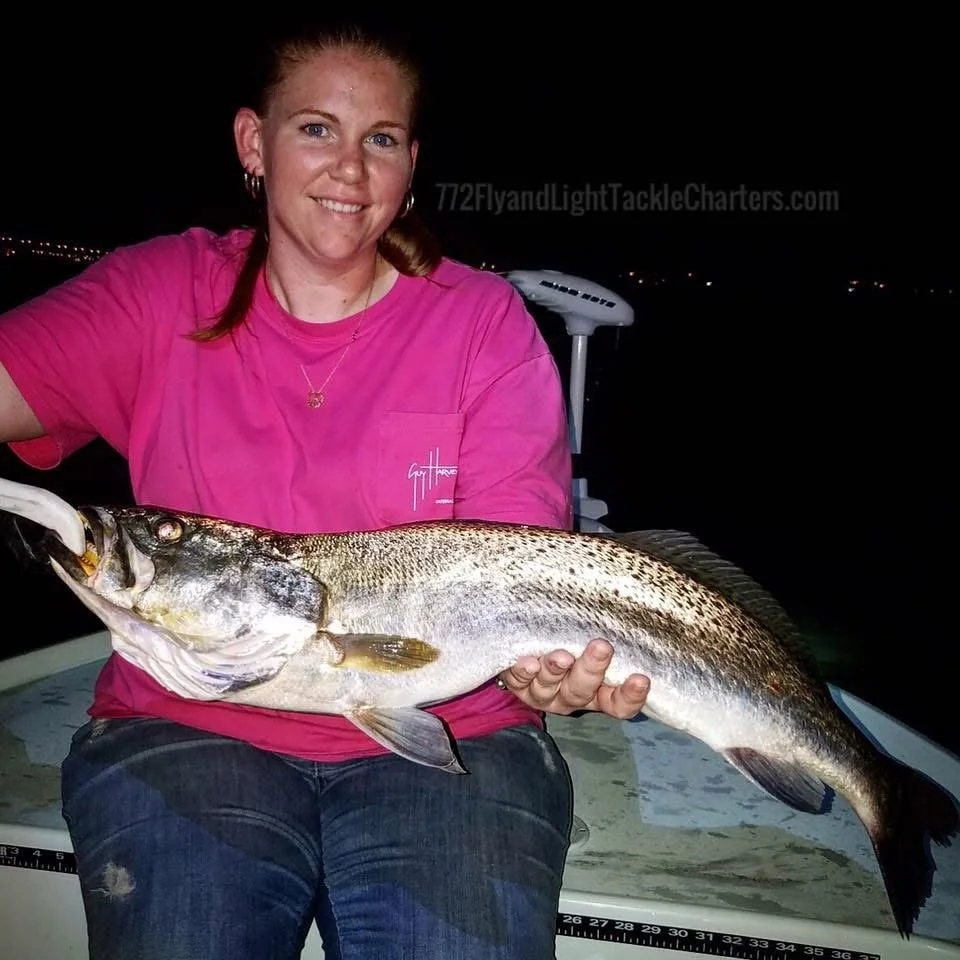
Winter time trout after a cold front

Where to Fish for Winter Trout on the Treasure Coast

Location is everything after a cold front. One of the most overlooked but critical factors is finding bait near deep water. On the Treasure Coast, trout will almost always set up where bait schools are close to depth changes. Look for mullet, glass minnows, or shrimp holding along deeper channels adjacent to flats, drop-offs near grass edges, creek mouths dumping into larger bodies of water, and residential canals with depth and minimal current. If bait is present near deep, stable water, odds are good trout are close by and actively feeding—just not aggressively.

Winter trout fishing is not about covering water quickly. It’s about slowing down and fishing methodically through high-percentage areas where trout are already positioned.

Winter Techniques: Slow, Subtle, and Intentional

Cold-water trout are sluggish, which means your presentation must match their energy level. Fast retrieves and aggressive lure actions will often push fish away. Instead, focus on slow jigging, extended pauses, and subtle movements. Crawling a jig along the bottom, lightly hopping it, or barely twitching a soft plastic allows the lure to stay in the strike zone longer and imitates lethargic prey—exactly what trout expect to see in winter conditions.

Live Bait for Winter Trout

Live bait shines after a cold front because it checks every box: natural scent, natural vibration, and natural movement.

• Live shrimp are a winter staple and extremely effective under a popping cork or free-lined along deeper edges.

• When targeting larger “gator” trout over numbers, pinfish, white bait, or small mulletare excellent options, especially near deeper structure.

Why Scented Baits and Gulp Excel After a Cold Front

One of the most important adjustments anglers can make in winter is switching to scented and “alive-feeling” baits. Speckled sea trout have a highly developed sense of smell. Their nostrils are used exclusively for detecting chemical cues in the water, allowing them to identify food even when they aren’t actively hunting by sight. After a cold front, trout rely heavily on their lateral line and olfactory system, using vibration and scent to confirm whether something is worth eating.

This is why baits like Gulp, scented soft plastics, cured baits, and live bait consistently out-perform unscented artificials in cold water. Even when sitting still, these baits continue to disperse scent and create subtle water displacement. In winter, trout may follow a bait longer, inspect it closely, and only commit once it “smells right.” Scented baits increase how long a trout holds onto a lure, resulting in better hook-up ratios when bites are light and subtle.

The Importance of Long, Light Leaders for Post-Front Trout

Leader choice becomes critical after a cold front. These conditions typically bring higher barometric pressure, calmer winds, clearer water, and more pressured, cautious fish. Trout have time to inspect your offering, and anything unnatural—heavy leader, poor movement, or excessive splash—can result in refusals.

Downsizing your leader allows your bait to move freely and look natural. I strongly recommend running 10- to 20-pound fluorocarbon leaders, with an emphasis on the lighter end in clear water. Just as important is leader length. Running longer leaders—often as long as practical—creates more separation from your braid and significantly reduces the chance of spooking sensitive fish. In winter, stealth matters, and long, light leaders are one of the simplest ways to increase bites.

Winter time sight casting the flats for Snook

FLY FISHING

Targeting educated, spooky big snook on the clear, shallow flats of the Treasure Coast demands a stealth-first approach, long leaders, and pin-point precision casting. These fish are visual predators and can detect even slight disturbances on the water’s surface, so your setup should complement that sensitivity. Most experienced fly anglers choose 8–9 weight rods paired with a floating shooting head line and long leaders in the 10 -12 foot range, high pressured areas 12-15 foot range tapering down into a 25–40 lb in fluorocarbon bite tippet to minimize visibility in crystal clear water while still resisting abrasion around structure and a snook’s rough mouth. In super slick conditions and when fish are particularly wary, extending the leader to the upper end of that range helps presentations land softly and naturally, reducing drag and unnatural movement that will shut down a feed

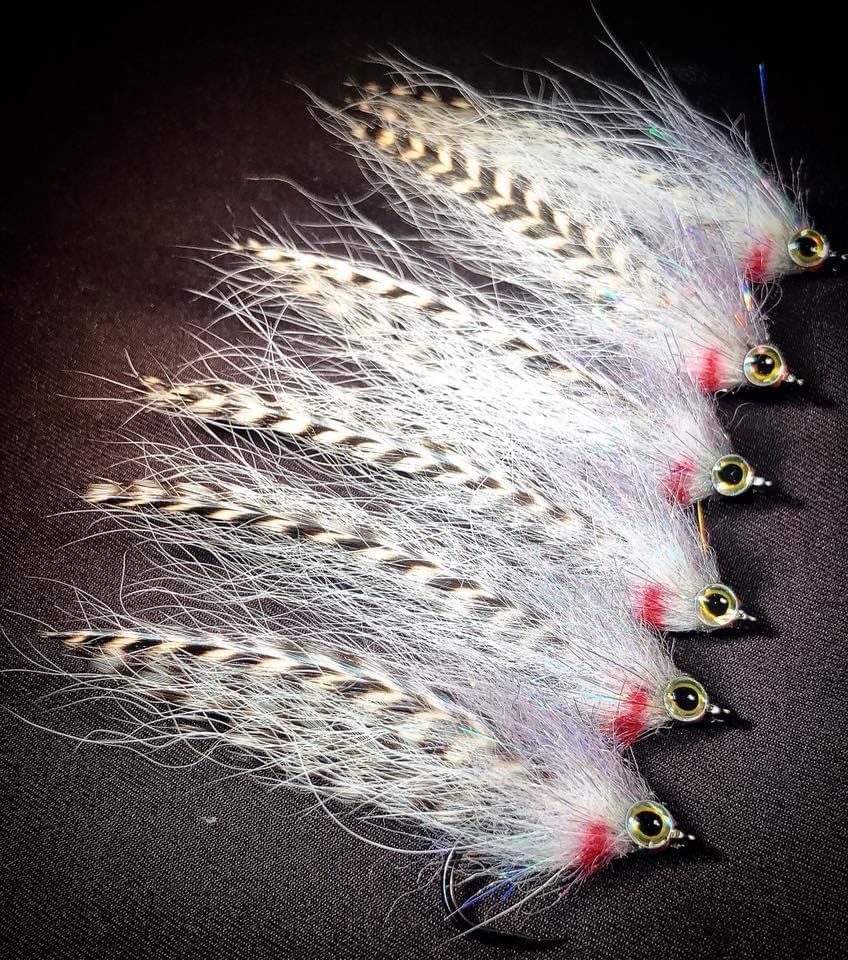
When stalking sight-cast snook, the goal is quiet and calculated execution. Lead the fish by a few feet and make a delicate, accurate cast ahead of their path — big snook will often turn away if the fly splashes too hard or lands behind them, so sidearm and low casts are highly effective. Use smaller, baitfish-style streamers (like Clouser or EP baitfish imitations) that mimic local forage and allow the fly to hover in the feeding zone without spooking fish, and be ready to vary your retrieve with subtle strips and pauses based on reaction.

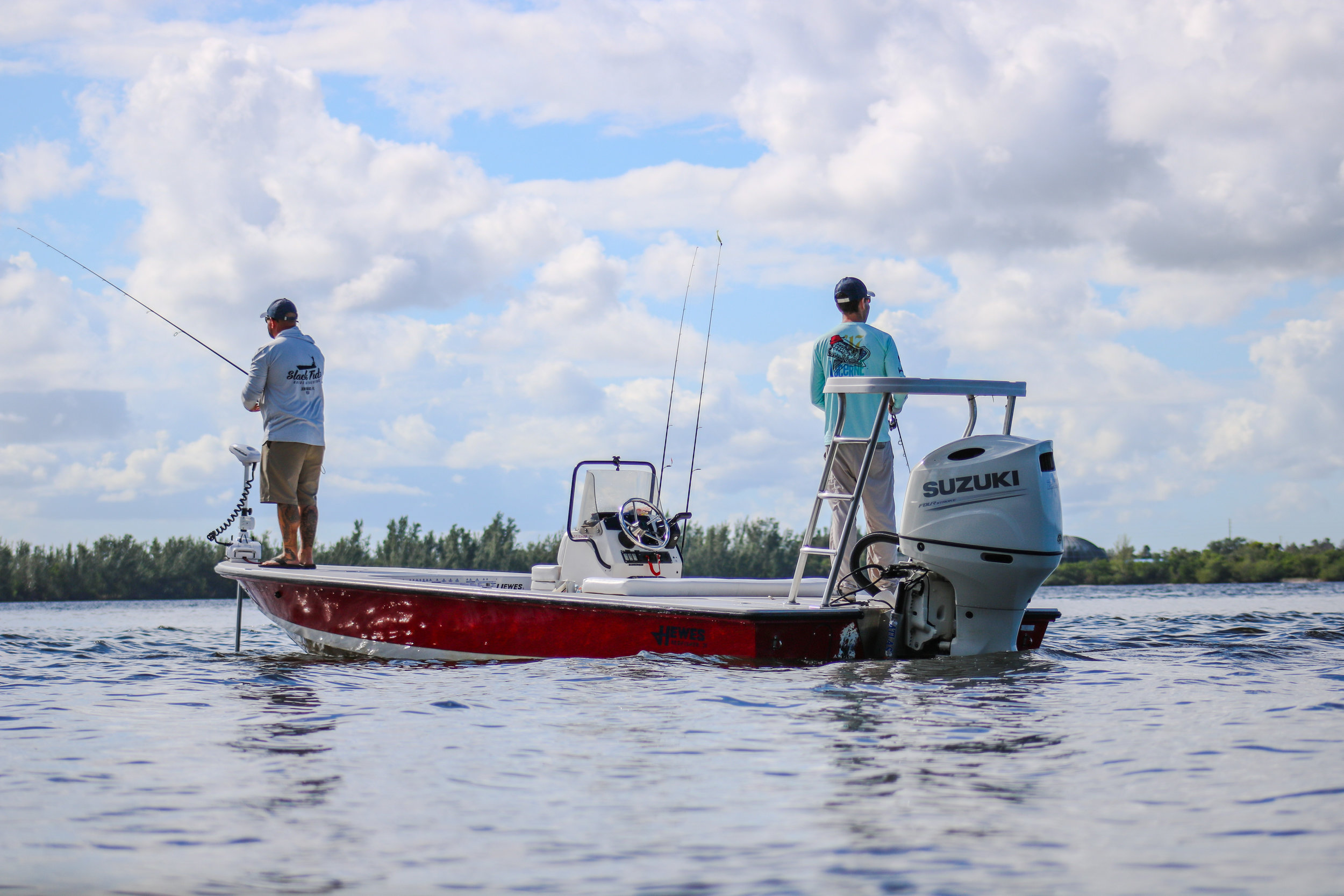
Most importantly, minimize noise and movement aboard the skiff: avoid stomping on the deck, opening hatches, sudden shifts with the push pole or trolling motor, and loud conversation — any unnecessary vibration or sound can put perfectly positioned fish down and end the window for a presentation. Maintain a low profile, slow approach, and let the fish feed toward your fly rather than chasing it down, because in these clear flat conditions the first cast and quietest presentation are often the ones that trigger a monster strike.

ARTIFICIAL FISHING

light tackle fishing for big snook on the flats of the Treasure Coast, precision, stealth, and proper leader setup are the keys to success. Use a 7 ft medium-heavy spinning rod with 8–12 lb braid spooled for long, accurate casts, and connect a 20–30 lb fluorocarbon or monofilament leader to reduce visibility in clear water while still giving you abrasion resistance against snook’s sharp gill plates and rough mouths. The leader’s length and strength should balance long casts with subtle presentations — a longer leader helps your lure or bait land more naturally in the feeding zone and avoid spooking wary fish. Premium leaders in the 20–30 lb range are common for light tackle snook fishing, though some anglers adjust strength and length based on water clarity and fish pressure. If fish are highly educated and pressured, slightly lighter, longer leaders can improve hookups, but always check for abrasions after each hook up and be ready to re-tie to avoid losing fish.

Approaching these spooky snook requires low-profile movement and flawless casting to avoid spooking fish that see everything in the glassy shallow water. Slide into position quietly, make soft, accurate casts ahead of cruising fish, and work lures that mimic local forage such as soft plastics, suspending plugs, and natural colored jerkbaits that twitch enticingly in current. Avoid loud footsteps, slamming hatches, unnecessary gear noise, or sudden movements with the push pole or trolling motor — vibrations travel through the water and can instantly shut down a bite. Once hooked, manage drag properly and let the fish run without putting too much pressure early in the fight, keeping the rod tip low to help wear the snook down quickly without forcing it into structure. By combining precise casting, appropriate leader setup, and a calm, stealthy approach, you’ll increase your chances of fooling even the wariest, big-fish snook on light tackle in Treasure Coast flats conditions

Tip of the trade

Downsizing lures,Flies is often the difference between getting a follow and getting a bite when targeting spooky big snook on clean flats. In ultra-clear water, large jig heads and oversized lures tend to splash harder and fall unnaturally, immediately alerting wary fish. Switching to lighter jig heads (1/16–1/8 oz), smaller profile soft plastics, and more natural baitfish shapes allows for quieter landings and slower, more realistic sink rates that keep fish calm and committed. A subtle presentation with downsized tackle often looks less threatening and dramatically increases hookups on heavily pressured, sight-cast snook

The 5 types of Snook Stuart has to offer!

Snook Season on the East Coast of Florida: as of 2023 Updates and Regulations

As Snook season on the East Coast of Florida is just over a month away it’s essential to stay informed about the latest rules and regulations set by the Florida Fish and Wildlife Conservation Commission (FWC). These updates are designed to protect the Snook population and ensure sustainable fishing practices for future generations.

New Rules and Regulations for as of January 2023

**Season Dates:**

Closed Season: December 15 – January 31, and June 1 – August 31

**Size Limits:**

- East Coast Snook must measure **not less than 28 inches and not more than 32 inches** in total length to be legally harvested.

West Coast Snook can be 28-33 inches But be sure to check your regions new regulations because they possibly have changed.

**Regional Differences:**

- The FWC has implemented specific regulations for different regions to address local population dynamics and environmental conditions. Be sure to check the exact rules for your fishing location.

**Bag Limits:**

- Typically, the bag limit is one Snook per angler per day. However, it’s crucial to verify the exact limit for your region as it can vary.

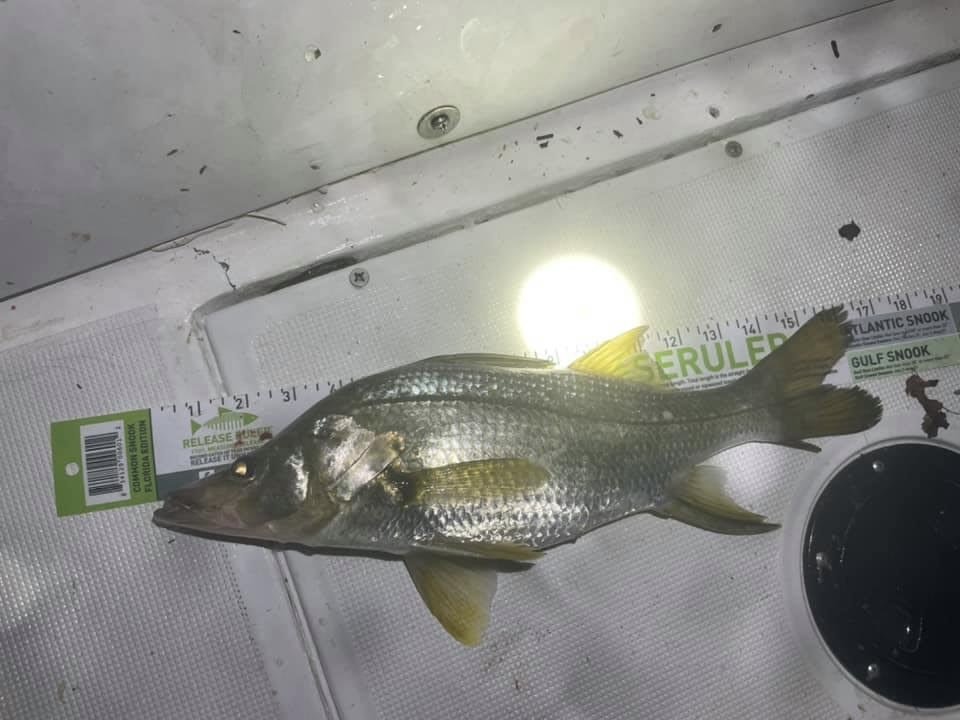
1. Common Snook (Centropomus undecimalis)

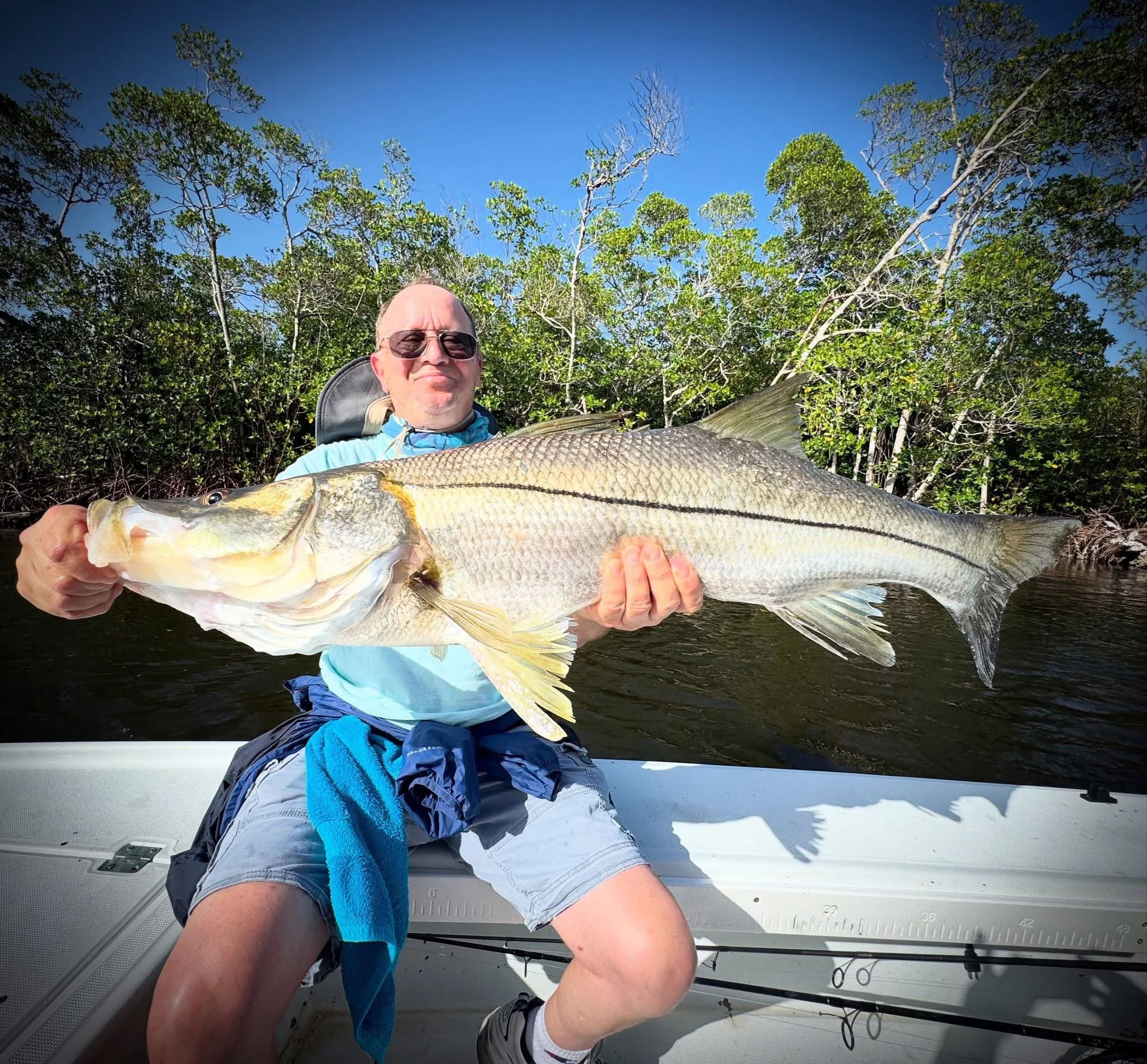
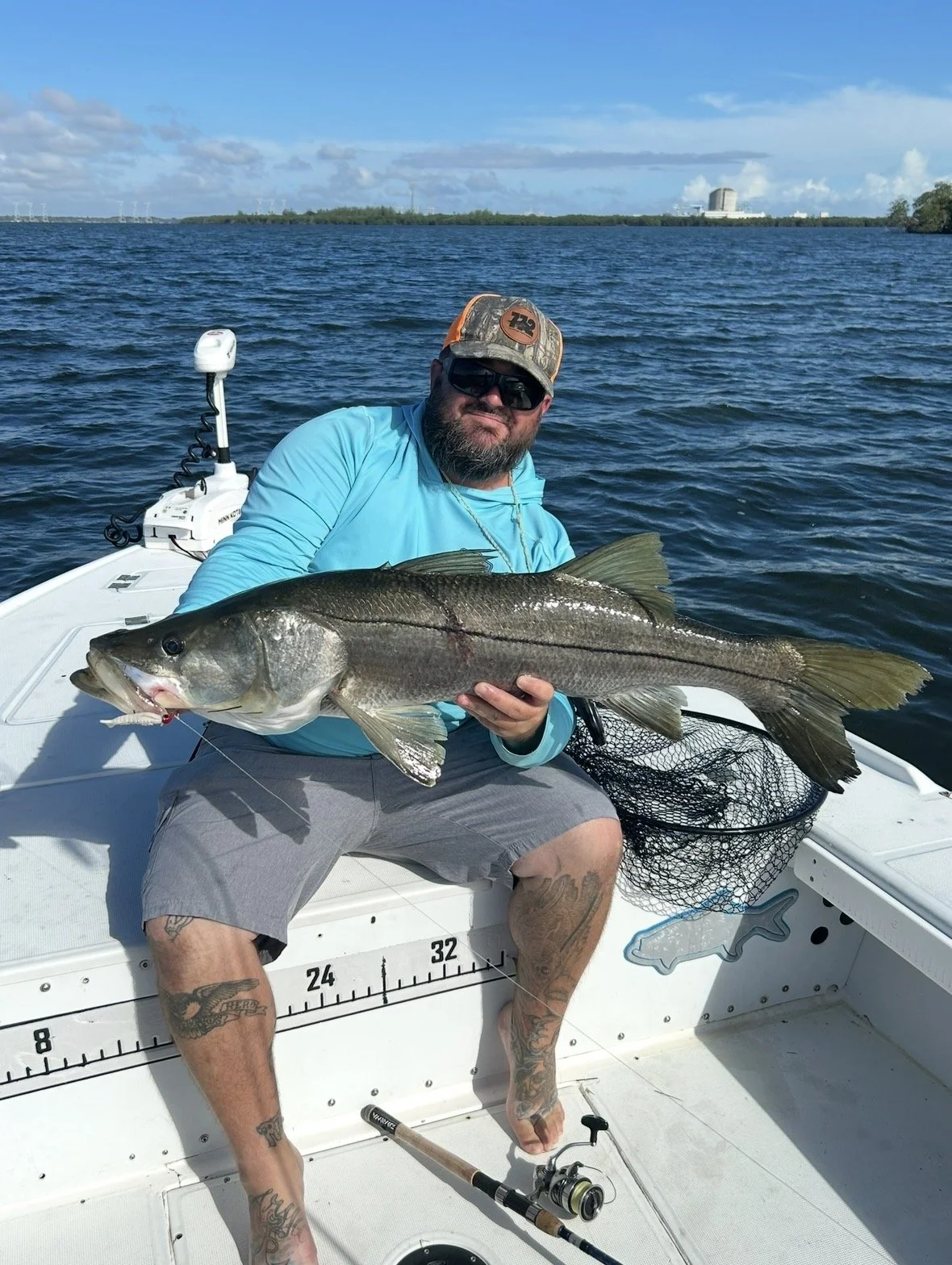
The common snook is the largest and most prevalent species, making it the primary target for most anglers. These snook can grow to impressive sizes, with some individuals reaching over 50 inches and weighing more than 40 pounds. They are easily recognized by their elongated body, distinct lateral line, and prominent black stripe running from their gills to their tail. common snook typically spawn April through September. Depending on whether and water temperature. Typically can be found in the inlets of intercoastal and shallow water wrecks during spawning season.

The top Snook in the photo above is a large scale, Fat Snook the Smaller fish is a Small scale Fat Snook.

2.Large-Scale Fat Snook (Centropomus mexicanus)

Confirmed as a separate species in 2006, the large-scale fat snook has slightly larger scales and fewer gill rakers compared to the small-scale fat snook. This species can grow up to 30 inches and is found exclusively on Florida's east coast, between Sebastian and Jupiter. This makes Stuart an ideal destination for anglers looking to catch this less common snook. This species of snook is a Late spawner. This is why we have a closure over the fall months. You can typically find these fish and big numbers around the inlets and shallow water, wrecks, and the months of November-February.

3.Small-Scale Fat Snook (Centropomus parallelus)

The small-scale fat snook is noticeably smaller than the common snook, seldom exceeding 24 inches in length. It has a squarish-shaped body covered with smaller scales. A distinctive feature is its bony long anal fins, which protrude past the membrane and stick out like a dagger. This species typically has a bluish top side, adding to its unique appearance this is also a late spawning species and most prevalently found around November through February

4. Tarpon Snook 📸 by Mark Nichols owner of D.O.A. (Centropomus pectinatus)

The tarpon snook is another smaller species, characterized by its squarish body and larger scales compared to the fat snook. Its upturned mouth is similar to that of a tarpon, and it has very large eyes and fewer dorsal fins. The species is also typically less than 25 inches long With a few fish slightly larger. This unique morphology makes the tarpon snook an interesting catch for anglers it also has a different fighting style than the other Fish does crazy jumps and dives more then the other Species.

5. Swordspine Snook (Centropomus ensiferus)

The swordspine snook is the rarest and smallest of the snook species, Typically, less than 20 inches long with very large scales normally larger than your thumbnail distinguished by its disproportionately large anal spine. These snook are typically found in south-central and extreme southern Florida, often in upstream coastal rivers or less saline habitats in upper estuaries. They have also been discovered in Lake Okeechobee and surrounding lakes Close to saltwater.

Where to Find These Snook

The four smaller species of snook are usually found in more secluded and less saline environments. Anglers often seek them out in the upper reaches of the North and South fork of the St.Lucie river and back water estuaries . In contrast, the common snook is more widespread and can be found in various habitats, including coastal waters of the beach and brackish estuaries like the Indian River and St. Lucie River here in Stuart.

For anglers looking to experience the thrill of catching these diverse species, booking a trip to Stuart, Florida, offers a unique opportunity. The region's rich biodiversity and strategic location between Sebastian and Jupiter make it an ideal spot to target the elusive large-scale fat snook and other snook species.

By understanding the different types of snook and their distinct characteristics, you can enhance your fishing experience and appreciation for these remarkable fish!

If you have any questions please call/text

Capt.James Cronk

772-267-0095

www.772FlyAndLightTackleCharters.com

Beach Snook Fishing

Beach Snook Fishing: Techniques and Tips

August marks the end of prime beach Snook fishing, which typically runs from May through August. However, if there's a late minnow run or an early mullet run, the fish might linger a bit longer. Here are my top three methods for beach Snook fishing.

1. **Fly Fishing from the Beach**

2. **Spinning Rod from the Beach**

3. **Live Bait from the Boat**

Let’s break down each technique:

1. Fly Fishing from the Beach

Using a fly rod (7-9wt) with an intermediate tip fly line helps get the flies down faster. My go-to fly is the "Guide Fly," which represents a variety of baitfish like glass minnows, anchovies, small pilchards, and threadfins. Here’s how I fish it:

- **Casting Parallel to the Beach:** I work the fly back with short, jerky strips to create a pulsating effect. This steady retrieve is key.

- **Sight Casting:** When targeting a specific fish, I cast the fly past the fish and retrieve it into its path, stopping on the far side. A quick, jerky long strip about 2 feet from the fish often triggers a reactionary bite.

- **Murky Water Strategy:** In murky water, I cast slightly further out but still parallel. I prefer using a Clouser Minnow (size 1/0 or 2/0) in olive and white or chartreuse and white with some flash. This pattern provides sound, flash, and a minnow profile, making it effective for murky conditions. I retrieve it with a steady, jerky hop, allowing it to hit the bottom between hops.

#### 2. Spinning Rod from the Beach

Using a spinning rod allows for longer casts and covering more water. Here’s my approach:

- **Lure Selection:** I prefer using jigs, soft plastics, like “bone white DOA paddle tails” but other baitfish like plastics work perfectly or small spoons that mimic the local baitfish.

- **Retrieving:** Similar to fly fishing, I work the lure back with a combination of steady and jerky retrieves to mimic a fleeing baitfish.

- **Sight Fishing:** When I spot Snook cruising the surf, I cast beyond them and retrieve the lure into their path, often triggering aggressive strikes.

#### 3. Live Bait from the Boat

Fishing with live bait from a boat can be incredibly effective. Here’s how I do it:

- **Bait Selection:** I use live pilchards, threadfins, or mullet, depending on what's most prevalent.

- **Hook Placement:** I hook the bait through the nose or back to allow for natural swimming.

- **Positioning:** I trolling motor  the boat just beyond the surf zone and cast the live bait towards the beach. Letting the bait drift naturally with the current often entices Snook if you can sight cast fish from

The boat I often try to cast right pass the fish in the direction it is moving and try to make the splash as far away as possible. I quickly reel debate back to what I call the Killzone and just stop the bait going to take over doing the rest of the work when you stop pulling it and 2 things are going to happen the snook going to react by eating it immediately or run if it runs you might have stop slightly too close to the fish making it look unnatural or you may have cast too close to the fish and gave yourself away either way this technique can be very rewarding.

Each technique has its own nuances, but they all rely on understanding Snook behavior and mimicking their prey effectively. Whether you’re casting a fly, a lure, or live bait, the thrill of hooking into a beach Snook is unparalleled. Happy fishing, and tight lines!

If you have any questions about the blog or would like more info please Dm me or text me at 772-267-0095

If you would like to Experience this with the professional guide I am running an end of summer Special! Don't miss out From now until October 31, enjoy 2 days of fishing, 6 hours each day, MAX people 3 per boat for just $1000.

This is the perfect opportunity to experience the incredible Snook, Tarpon, and Jack fishing during the end of the summer or the mullet run. Book your adventure now and make the most of these prime fishing months!

Capt.james cronk

772-267-0095

www.772FlyAndLightTackleCharters.com